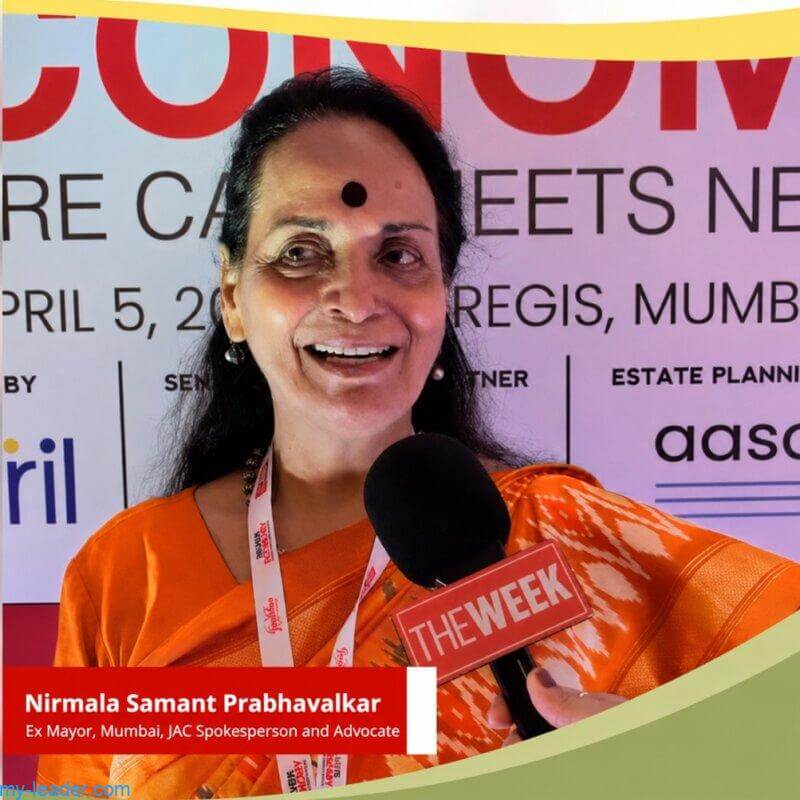
Nirmala Samant Prabhavalkar is a senior Nirmala Samant Prabhavalkar Congress politician, advocate, and social worker from Mumbai, which many people know from old BMC politics days, especially during the 1990s period when women leaders in city politics were still not very common.
Early Life and Background
We see that she became more publicly known after becoming the second woman Mayor of Mumbai in 1994, and at that time very few women had reached such top civic positions, therefore her appointment got attention inside Mumbai political circles.
Her work was not only inside electoral politics, but moreover she stayed connected with women welfare programs, legal activities, child welfare matters, and social reform side also, which later became a major part of her public image.
She also worked with organizations related to women empowerment and social change, so now her overall public career looks like a mix of municipal politics, legal advocacy, and grassroots social work together.
According to old BMC related public records and references, her mayor period came during the time when women representation inside local governance was slowly increasing in Mumbai, which many political observers still mention today.
Early life wise, she belongs to Maharashtra and remained connected with Mumbai civic and political environment for many years. Professionally she trained as an advocate, and that legal background later helped her in public activities and women related work.
Political Career
Before entering bigger civic politics, she was already involved in social initiatives and women focused activities, but later her role expanded through the Indian National Congress Congress party into municipal politics.
Her political rise also came during the period when reservation policies and changing city politics started giving more space to women in local self government systems.
Her political career mainly grew through Mumbai civic administration and Congress party structure. She became corporator in the Brihanmumbai Municipal Corporation and later reached the Mayor position in 1994, which then became a landmark moment because she was only the second woman mayor in Mumbai history.
During that period Mumbai was facing rapid city expansion, infrastructure pressure, sanitation issues, public health concerns, and administrative load, so municipal leadership carried heavy responsibility even if the mayor role itself was mostly ceremonial compared to Municipal Commissioner powers.
However the Mayor office still carried strong symbolic and political value because it represented civic leadership inside India’s richest municipal corporation.
Later she continued working through women commissions, social organizations, and legal activism connected with women rights and child welfare matters.
Role in Women’s Empowerment
One major thing linked with her public image has been women empowerment activities. She was associated with the National Commission for Women and also with the Centre for Study of Social Change, through which discussions and programs related to women rights, gender justice, and social awareness were carried out.
She was also reportedly connected with a Maharashtra government related committee against child marriage issues in the state, which shows that even after active electoral politics reduced, then social policy involvement still continued.
Since she had legal training, therefore it also helped her during awareness programs related to women legal rights and protection matters.
Contribution to Mumbai Civic Politics
During the 1990s and early 2000s, Mumbai slowly started seeing more women corporators and women civic leaders, and many civic observers mention leaders like Nirmala Samant Prabhavalkar among those early women politicians who helped increase female visibility inside BMC politics.
Her mayor period is still mentioned in discussions related to women representation in Mumbai civic administration, because later rise of women mayors is often linked back to political changes which had started during that phase.
Public Image and Leadership Style
Publicly, she has mostly been seen as soft spoken but experienced, more connected with administration, social service, legal advocacy, and institutional work rather than aggressive mass politics style.
Her long connection with civic matters and social organizations helped her remain relevant in public life even after her mayor tenure ended.
Public records also indicate that she received the Sahyadri Hirkari Award in 2014 for her contribution and public service related work.
Political and Civic Profile Table
| Field | Details |
|---|---|
| Full Name | Nirmala Samant Prabhavalkar |
| Political Party | Indian National Congress (INC) |
| Profession | Advocate, Politician, Social Activist |
| Known For | Former Mayor of Mumbai |
| Mayoral Tenure | 1994 |
| Historic Significance | Second woman Mayor of Mumbai |
| Main Area of Work | Civic administration, women’s welfare, legal advocacy |
| Associated Organizations | National Commission for Women (NCW), Centre for Study of Social Change (CSSC) |
| Social Initiatives | Women’s rights, child welfare, anti-child marriage efforts |
| Public Image | Senior civic leader and women’s rights advocate |
| Award | Sahyadri Hirkari Award (2014) |
| Political Base | Mumbai, Maharashtra |
| Language and Regional Influence | Marathi and Mumbai civic politics |
Legacy and Relevance
Nirmala Samant Prabhavalkar still remains one important name in Mumbai civic politics, especially when we talk about women coming into bigger leadership roles inside city governance systems.
Her political journey came during that transition period where women slowly started getting stronger space in local self government bodies in India, and we see that many leaders at that time mostly stayed around election visibility only, but her work also moved into legal side, policy matters, and social advocacy work too.
Today also, whenever discussions happen about women mayors or female civic leadership in Mumbai, then her name usually comes somewhere in those early influential figures, which helped shape that path little by little over the years.

Leave a Reply